Blog
Egyptian cotton


As a parent in Egypt, you’re constantly focused on your baby’s comfort. But let’s be honest: buying baby clothes here is often a confusing task. We face unique challenges that parents abroad don’t, especially with our long, scorching summers and the unpredictable humidity.
egyption cotton
When you shop for a new baby outfit, you’re not just looking for a cute design; you’re searching for the perfect material that won’t cause irritation, sweating, or—worst of all—heat rash on your newborn’s sensitive skin.
egyption cotton
Addressing the climate challenge: High humidity and changing seasons.
The wrong fabric can turn a happy day into a nightmare of discomfort for your baby. Synthetic materials (like high-percentage polyester) trap heat and moisture, which is the perfect recipe for skin irritation in Cairo, Alexandria, or Upper Egypt.
You need clothes that can breathe! Our guide is here to cut through the confusion and help you select fabrics that naturally manage temperature, keeping your baby cool in summer and cozy but not overheated in winter.
The common dilemma: Is “Imported” always “Better Quality”?
Many parents instinctively reach for imported clothes, assuming a higher price tag means better fabric for baby clothes. But here’s the truth: imported cotton is often made with shorter, rougher fibers designed for milder climates.
This is why we’re shining a spotlight on our local treasure: Egyptian Cotton. It’s globally recognized for its superior, extra-long fibers—and it’s the key to finding truly comfortable and durable wear for your baby right here in Egypt.
Ready to feel the difference? Discover our collection of locally-sourced, skin-friendly Egyptian Cotton baby clothes today by elephant baby
The Core Difference – Egyptian Cotton vs. Regular Cotton
All people ask themselves this question.
What Makes Egyptian Cotton the Gold Standard?
When you see the label “100% Cotton,” it’s easy to assume all cotton is the same. However, the true difference between premium and regular quality lies in the length of the cotton fiber, known as the “Staple.”
Egyptian Cotton is famous globally for its Extra Long Staple (ELS).
These fibers are significantly longer, finer, and stronger than the short fibers found in generic or ordinary imported cotton. This distinction is paramount when choosing clothes for a baby’s delicate and constantly-growing body.
Fibre Length and Strength: Durability for Frequent Washing
Baby clothes require heavy-duty laundering—they are washed, dried, and stretched almost daily. This is where the strength of Egyptian Cotton shines:
- Longer Fibers = Stronger Thread: The longer, intact fibers create a more durable yarn that is less likely to break, thin out, or lose its shape.
- Longevity: While it may cost slightly more upfront, this cotton withstands countless wash cycles without deteriorating, making it a cost-effective choice in the long run.
Softness and Breathability: Naturally Hypoallergenic for Sensitive Skin
A newborn’s skin is incredibly sensitive, making hypoallergenic baby clothes essential. The fineness of the ELS fiber gives the fabric a luxurious, silky-smooth texture, which is superior to the often-rougher feel of regular imported cotton:
- Softness that Lasts: Egyptian Cotton actually gets softer with every wash, unlike conventional cotton, which can become stiff or scratchy over time.
- Superior Breathability: The high quality of the fiber allows the fabric to “breathe” better, effectively wicking away moisture and significantly helping to prevent common skin issues like eczema and heat rash, especially during our hot Egyptian days.
The Pilling Problem: Why Imported, Short-Staple Cotton Tends to Pill Faster
Have you ever noticed little fuzzy balls forming on a bodysuit after just a few washes? That is called “pilling,” and it’s a direct result of short, weak cotton fibers breaking and tangling.
- Regular Cotton: Due to its shorter staples, ordinary cotton is highly prone to pilling and thinning.
- Egyptian Cotton: Its fibers are securely woven and highly resistant to pilling, maintaining a smooth, soft texture, and ensuring the clothes look new for longer.
Now that you understand the quality difference, let’s break down exactly which type of cotton and fabric blend is ideal for specific weather conditions—from the scorching summer heat to the chilly winter nights in Egypt.
Fabric Breakdown by Egyptian Season (Practical Advice)
The key to keeping your baby comfortable in Egypt is dressing them appropriately for the extreme fluctuation between seasons. The fabric that works in December often won’t work in August.
Choosing the Best Breathable Fabric for Egyptian Summer
Our hot, humid summers demand fabrics that are incredibly lightweight and highly efficient at allowing air flow. Breathability is non-negotiable.
Muslin Fabric: Ideal for Swaddling and Lightweight Blankets
- The Benefit: Muslin, typically a loosely woven cotton, is a favorite among Egyptian mothers. Its open weave allows heat to escape easily, preventing overheating while still protecting your baby from light drafts indoors.
- Best Use: Swaddles, receiving blankets, and lightweight cover-ups when outside.
Lightweight Cotton Jersey: The Everyday Hero
- The Benefit: Cotton jersey is a knit fabric known for its slight stretch and supreme softness. When made with quality Egyptian cotton, it is the perfect material for everyday wear, absorbing small amounts of perspiration without clinging uncomfortably to the skin.
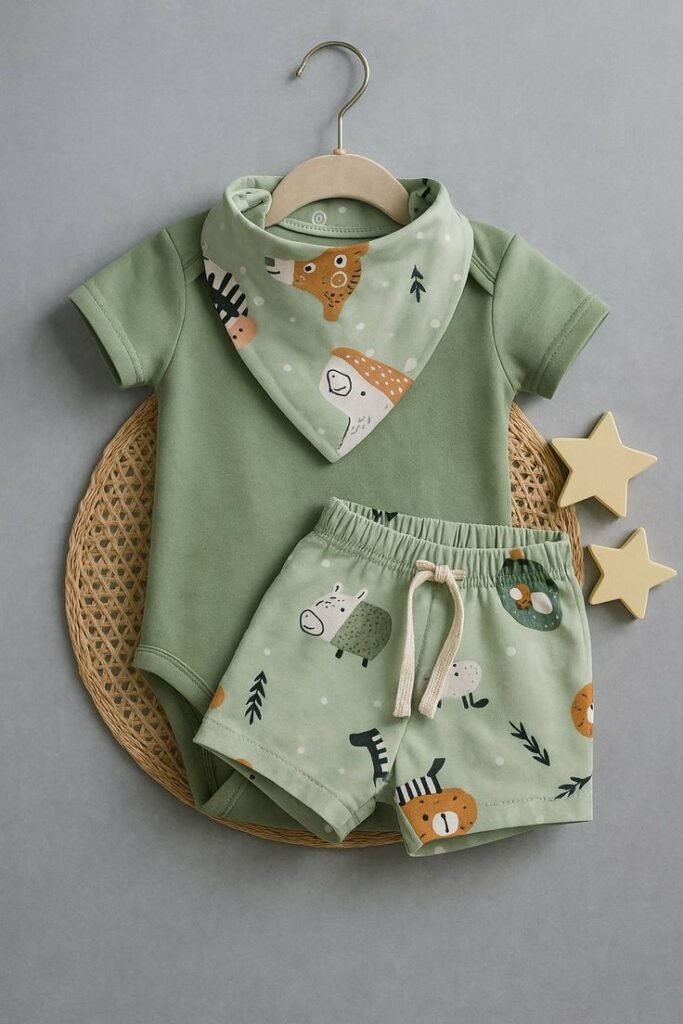
- Best Use: Bodysuits (Onesies), t-shirts, and short-sleeved rompers.
Why Synthetic Fabrics (Polyester/Nylon) Are a Risk in High Heat
- The Warning: While synthetic blends can be cheap, they trap moisture against the skin. This severely increases the risk of prickly heat, rashes, and general discomfort. Always prioritize 100% Cotton (or natural fibers like Bamboo) for the layer touching your baby’s skin during summer.
Selecting Warm and Cozy Fabric for Winter and Cooler Nights
While our winters are generally mild compared to Europe, indoor temperatures can drop sharply, and the evening air can be quite chilly. Layering is key, and the base layer must still be breathable.
Interlock Cotton: The Dense Weave that Provides Warmth Without Bulk
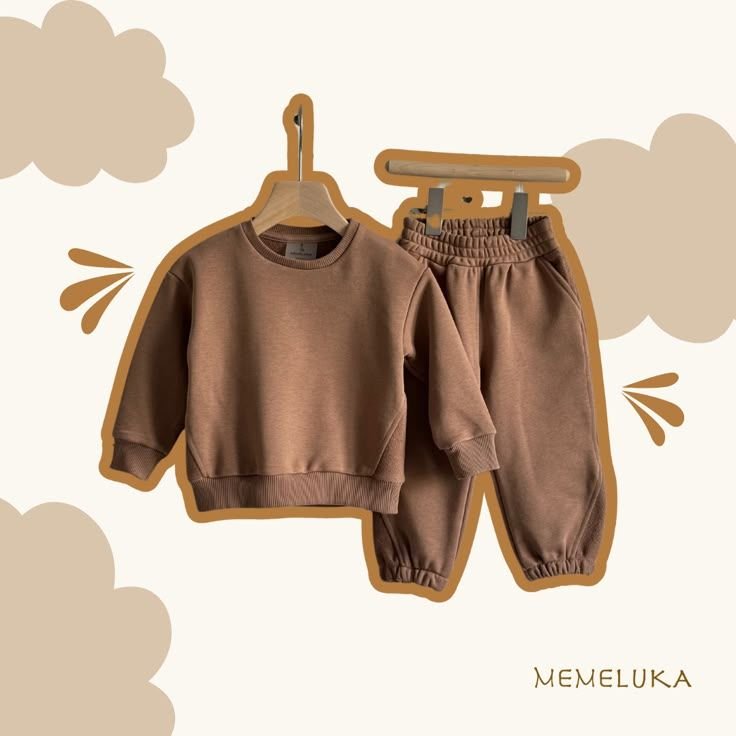
- The Benefit: Interlock is a thicker, double-knit cotton that feels plush and traps heat more effectively than single-knit jersey. It’s warm, yet still made of natural fibers, ensuring your baby’s skin can breathe.
- Best Use: Indoor sleepsuits, footed pajamas, and slightly heavier daily wear.
Cotton Flannel/Velour: Best for Soft, Non-Irritating Winter Pajamas
- The Benefit: These fabrics offer a soft, fuzzy texture that feels incredibly cozy. They are perfect for the outermost layer of sleepwear or jackets, providing insulation without the itchiness of wool.
Layering Best Practices for Egyptian Winter: Start with 100% Cotton Base
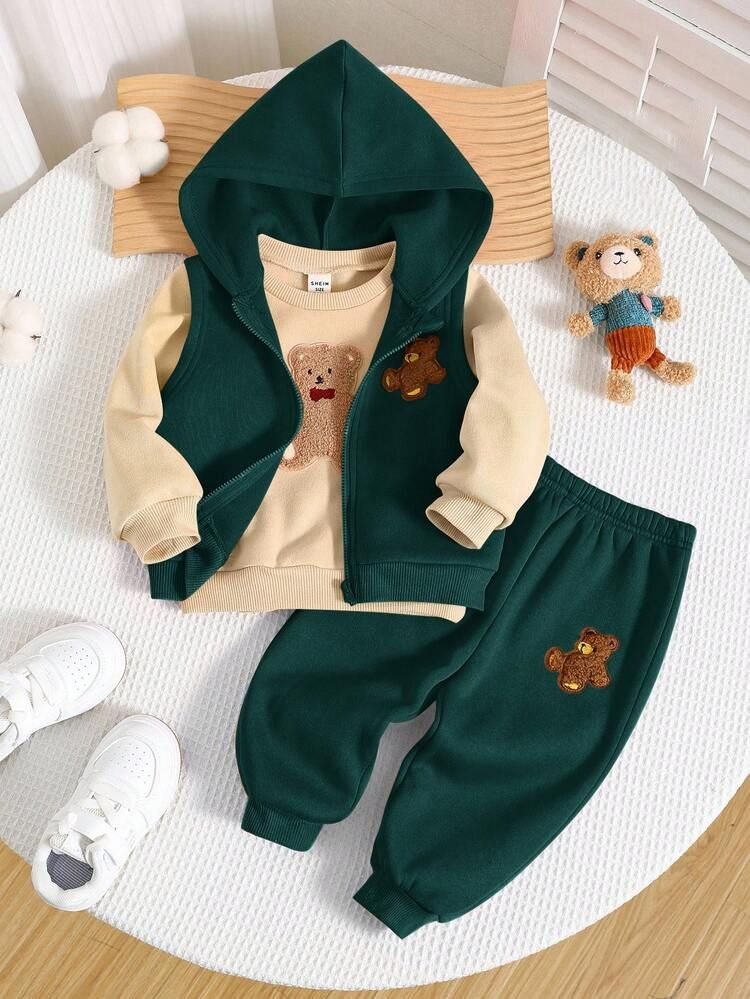
- Even in cold weather, ensure the first layer (bodysuit) is high-quality Egyptian cotton. Use thicker interlock sleepsuits and add a muslin swaddle or blanket on top if needed, rather than bundling your baby in too many synthetic layers.
Knowing the right fabric is only half the battle.
Next, we address the other major stress point for parents: how to get the sizing right the first time, and how to keep these quality fabrics lasting through endless washes.
Technical Buying Guide – Size, Care, and Safety
Choosing the fabric is the first step; the next is ensuring the clothes fit perfectly and last as long as possible. Many parents waste money on incorrectly sized items or damage quality garments due to improper care.
The Critical Baby Clothes Size Guide: Avoid Buying Mistakes
Buying clothes for a baby is tricky because babies grow rapidly—and often differently than size charts predict. The biggest mistake is relying on age alone.
Age vs. Height (CM): Measure is More Important than Months
- The Secret: Different brands use different sizing standards. A “3-6 Month” size in one brand might be a “6-9 Month” size in another.
- Always Check the CM: The most accurate measurement for baby clothes is the height (in centimeters). When shopping, whether online or in-store, ignore the age range initially and match your baby’s current height and weight to the brand’s specific size chart.
The Growth Spurt Factor: Should I Size Up for Newborns?
- The Golden Rule: For babies up to 12 months, if your child is between two sizes, always size up. A slightly large outfit is safe and wearable for months, while a snug one will be outgrown almost instantly.
- Newborn (NB) Size: Purchase only a minimal quantity of newborn sizes, as many babies skip this stage quickly. Focus your bulk purchases on the 0-3 and 3-6 month ranges.
Check our accurate baby clothes size chart
Essential Care Tips for Durable Baby Wear
Even the luxurious quality of Egyptian cotton can be ruined by harsh detergents and improper washing. Following these steps ensures your investment lasts:
- Washing Best Practices: Use Mild, Fragrance-Free Detergents Only
- Safety First: Baby clothes should always be washed separately for the first six months. Use detergents specifically labeled for babies, which are free from strong perfumes, dyes, and harsh chemicals that can irritate the skin.
- Temperature: Wash in lukewarm or cool water (around $30^{\circ} \text{C}$) to prevent shrinking and preserve the softness and color of the natural fibers.
- The Fabric Softener Myth: Why You Should Avoid Softeners
- Fabric softeners contain chemicals that can remain on the fibers and potentially irritate your baby’s skin. They also tend to reduce the natural flame resistance of sleepwear and can decrease the fabric’s ability to absorb moisture (breathability). Skip the softener!
- How to Safely Remove Common Stains (Milk, Spit-up, Formula)
- Act Fast: Treat milk or formula stains immediately by rinsing with cold water. Avoid hot water initially, as it can set the protein stain. Use a small amount of baby-safe stain remover before a final wash.
Investing in Quality: The Long-Term Value of Premium Cotton
We’ve covered the essential factors for dressing your little one in Egypt: prioritizing natural, breathable fibers and understanding the difference that quality makes.
The decision to choose genuine Egyptian Cotton over cheap, generic imported alternatives is more than a luxury—it’s a smart investment in your baby’s well-being.
Here’s a quick summary of the benefits you gain by choosing premium fabric:
- Health: Superior breathability and hypoallergenic properties significantly reduce the risk of heat rash and irritation.
- Comfort: The long-staple fibers ensure a silky-smooth texture that gets softer with every wash.
- Durability: Clothes maintain their shape, color, and integrity, meaning fewer shopping trips and better value for your money.
You deserve peace of mind knowing your baby is comfortable, protected, and dressed in the very best. We’ve studied the local climate and the unique needs of sensitive newborn skin to bring you clothes you can trust.
Elephant baby offers the highest standard of Egyptian cotton clothing for your little one, designed by parents who understand the local climate. Don’t settle for less for your baby’s delicate skin.
Shop Our Collection Now and Experience the True Comfort of Egyptian Cotton!